

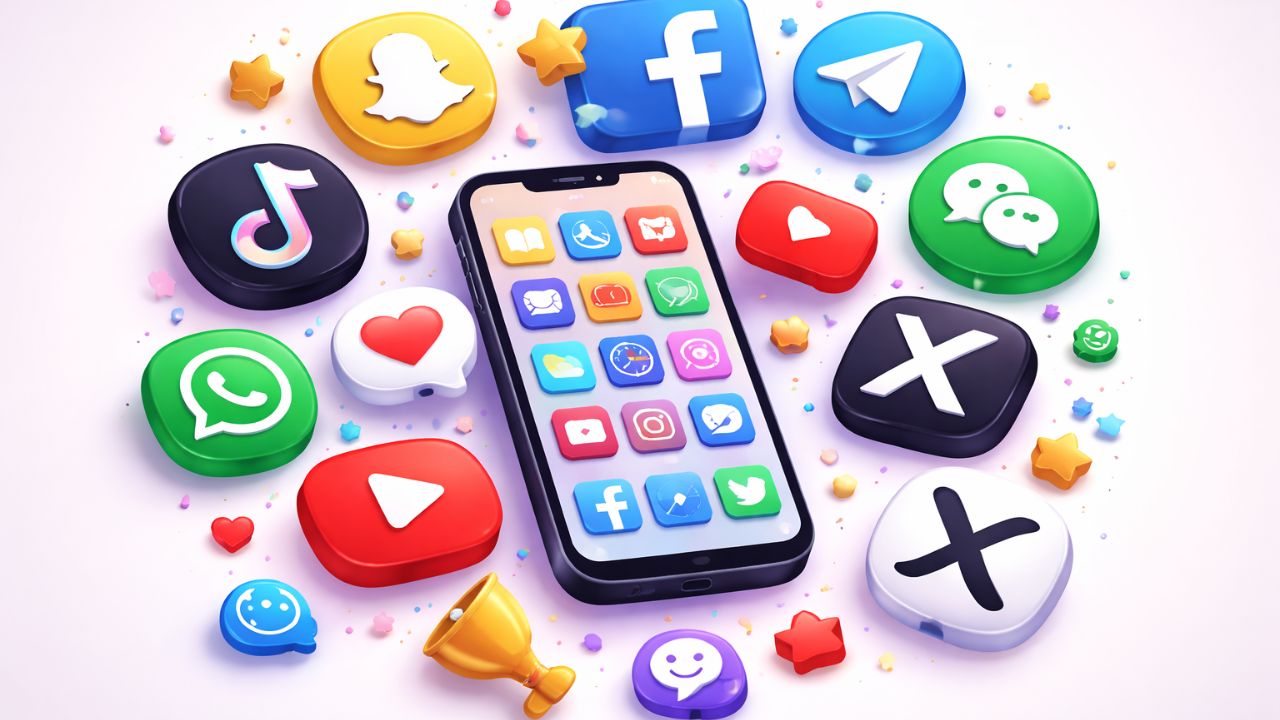
Social media has become one of the most powerful communication tools across the globe. Billions of people use social networks every day to connect, share content, and discover information. According to Statista, more than 4.8 billion people actively use social media worldwide, which explains why many users search for the Most Used Social Media Platforms to understand where global audiences spend their time online.
For individuals, creators, and businesses, knowing which platforms dominate global usage helps guide better decisions. It shows where communities gather, where trends start, and where content reaches the largest audiences.
Why People Search for the Most Used Social Media Platforms
Many users want to know which networks are most popular because they are deciding where to spend their time or build an online presence.
Common motivations include:
• Choosing the best platform to grow followers
• Finding where the largest online communities exist
• Deciding where to promote products or services
• Understanding global user trends
• Comparing popular social networks
Another reason people research platform rankings is curiosity. Many users wonder whether older platforms like Facebook still dominate or if newer apps such as TikTok have taken the lead.
Questions often discussed in online communities include:
• Which social network has the most active users
• Which apps are popular with younger audiences
• Which platform is best for creators or influencers
• Whether messaging apps count as social networks
These questions reveal a simple truth. People want to understand where the global conversation is happening.
What “Most Used Social Media Platforms” Actually Means
The phrase refers to social networks ranked by the number of people actively using them each month.
Several factors influence these rankings:
• Monthly active users
• Global availability
• Engagement levels
• Frequency of use
Monthly active users are the most common measurement. This metric counts how many unique users access the platform within a 30 day period.
Another important distinction is the difference between registered users and active users. A platform might have billions of accounts, but only a portion of those accounts may be actively used each month.
Why Understanding Global Social Media Rankings Matters
Knowing the popularity of social platforms is useful for several groups.
For businesses and marketers, it helps identify where potential customers spend time online. Advertising and brand promotion become more effective when businesses choose platforms with large active audiences.
For content creators and influencers, platform popularity indicates where content can reach wider audiences. Each network supports different types of content such as short videos, photos, or discussions.
For general users, popularity rankings simply help reveal where people communicate and share experiences most often.
How Social Media Platform Popularity Is Measured
Several metrics help researchers determine which platforms are used the most.
The most important indicators include:
• Monthly active users
• Daily active users
• Time spent on the platform
• User engagement rates
• Global reach
Monthly active users remain the primary measurement used by analysts because it shows how many people regularly access the platform.
Daily active users also provide insight into how frequently people use a network. Platforms with high daily activity often indicate strong user engagement.
Top 10 Most Used Social Media Platforms in the World
Social media rankings change occasionally, but several platforms consistently remain among the global leaders.
Below are the platforms with the largest user bases worldwide.
1) Facebook
Founded Year: 2004
Founded By: Mark Zuckerberg
Estimated Monthly Active Users: Over 3 billion
Facebook is one of the most widely recognized social networks globally. It allows users to create profiles, share posts, join groups, follow pages, and communicate through comments and messages. Over the years, the platform has expanded to support businesses, communities, and digital creators.
Used For
• Connect with friends, family, and communities worldwide
• Create groups and pages for businesses or interests
• Powerful advertising tools for businesses
• Supports photos, videos, events, and marketplace features
2) YouTube
Founded Year: 2005
Founded By: Steve Chen, Chad Hurley, Jawed Karim
Estimated Monthly Active Users: Over 2.7 billion
YouTube is the world’s largest video sharing platform and a major destination for entertainment, education, and tutorials. Users can upload videos, watch content, subscribe to channels, and interact through comments and likes.
Used For
• Ideal platform for video creators and educators
• Monetization opportunities through ads and memberships
• Massive global audience reach
• Strong search visibility through video content
3) WhatsApp
Founded Year: 2009
Founded By: Jan Koum and Brian Acton
Estimated Monthly Active Users: Over 2.7 billion
WhatsApp is one of the most widely used messaging applications. It allows users to send messages, make voice and video calls, share media files, and create group conversations.
Used For
• Simple and secure messaging with end to end encryption
• Free voice and video calling globally
• Group chats for families, teams, and communities
• WhatsApp Business tools for customer communication
4) Instagram
Founded Year: 2010
Founded By: Kevin Systrom and Mike Krieger
Estimated Monthly Active Users: Over 2 billion
Instagram is a visual based social network focused on photos, short videos, stories, and reels. It has become one of the most popular platforms for influencers, creators, and brands.
Used For
• Excellent platform for visual storytelling
• Strong engagement through reels and stories
• Influencer marketing opportunities
• Built in shopping features for businesses
5) TikTok
Founded Year: 2016
Developed By: ByteDance (Founder- Zhang Yiming)
Estimated Monthly Active Users: Over 1.7 billion
TikTok is a short video platform known for viral trends, creative content, and high engagement. Its recommendation algorithm helps users discover videos quickly based on their interests.
Used For
• High organic reach for creators
• Easy video creation with editing tools and effects
• Viral potential through trending challenges
• Strong engagement among younger audiences
6) WeChat
Founded Year: 2011
Developed By: Tencent
Estimated Monthly Active Users: Over 1.3 billion
WeChat is a multi purpose platform that combines messaging, social networking, payments, and mobile services. It plays a central role in digital communication and transactions in China.
Used For
• All in one ecosystem for messaging, payments, and services
• Mini apps for shopping, booking, and payments
• Secure digital wallet features
• Widely used for both personal and professional communication
7) Facebook Messenger
Founded Year: 2011
Developed By: Meta Platforms
Estimated Monthly Active Users: Around 1 billion
Messenger is a messaging application connected to Facebook accounts. It allows users to communicate through text messages, voice calls, video chats, and media sharing.
Used For
• Instant messaging with Facebook contacts
• Supports voice and video communication
• Business messaging for customer support
• Integration with Facebook services
8) Telegram
Founded Year: 2013
Founded By: Pavel Durov and Nikolai Durov
Estimated Monthly Active Users: Over 900 million
Telegram is a cloud based messaging platform known for privacy features, large group capabilities, and public channels used for broadcasting content.
Used For
• Strong privacy and security features
• Ability to create very large groups and communities
• Channels for broadcasting information to subscribers
• Fast and lightweight messaging system
9) Snapchat
Founded Year: 2011
Founded By: Evan Spiegel, Bobby Murphy, Reggie Brown
Estimated Monthly Active Users: Over 800 million
Snapchat focuses on short lived multimedia messages and interactive communication. Users can send photos or videos that disappear after viewing.
Used For
• Fun communication with filters and lenses
• Temporary messaging increases privacy
• Strong popularity among younger users
• Augmented reality features and creative tools
10) X (formerly Twitter)
Founded Year: 2006
Founded By: Jack Dorsey, Noah Glass, Biz Stone, Evan Williams
Estimated Monthly Active Users: Around 550 million
X is a social networking platform focused on real time discussions, news updates, and public conversations. It is widely used by journalists, public figures, organizations, and communities.
Used For
• Fast updates about global events and news
• Public discussions and trending topics
• Direct interaction with brands and public figures
• Useful platform for sharing opinions and announcements
Quick Comparison of the Top Social Media Platforms
| Platform | Founded Year | Founder / Company | Estimated Monthly Users | Primary Content Type | Key Benefit |
| 2004 | Mark Zuckerberg | 3+ Billion | Posts, Photos, Videos | Largest global social network with strong communities | |
| YouTube | 2005 | Steve Chen, Chad Hurley, Jawed Karim | 2.7+ Billion | Long & Short Videos | Best platform for video creators and tutorials |
| 2009 | Jan Koum, Brian Acton | 2.7+ Billion | Messaging | Secure messaging with voice and video calls | |
| 2010 | Kevin Systrom, Mike Krieger | 2+ Billion | Photos, Reels, Stories | Strong engagement for influencers and brands | |
| TikTok | 2016 | ByteDance | 1.7+ Billion | Short Videos | High viral potential and strong content discovery |
| 2011 | Tencent | 1.3+ Billion | Messaging & Payments | All-in-one super app for communication and services | |
| Facebook Messenger | 2011 | Meta Platforms | 1+ Billion | Messaging | Easy communication with Facebook contacts |
| Telegram | 2013 | Pavel Durov | 900+ Million | Messaging & Channels | Large groups and privacy-focused communication |
| Snapchat | 2011 | Evan Spiegel, Bobby Murphy | 800+ Million | Photos & Short Videos | Popular among younger users with AR filters |
| X (Twitter) | 2006 | Jack Dorsey & team | 550+ Million | Text, News Updates | Real-time discussions and trending topics |
How to Choose the Right Social Media Platform for Your Needs
Choosing a platform depends largely on your goals and audience.
Start by identifying your purpose.
• Personal communication
• Content creation
• Brand promotion
• Community building
Next, evaluate the type of content you plan to share. Some platforms favor video content, while others focus on images or written posts.
Audience demographics also matter. Younger audiences tend to spend more time on short video platforms, while broader age groups remain active on established networks.
Finally, consider engagement opportunities. Some platforms offer better discovery algorithms, allowing new creators to reach larger audiences more quickly.
Common Misconceptions About Social Media Popularity
Several misunderstandings exist when people compare social platforms.
One common myth is that the platform with the most users is always the best option. In reality, the right platform depends on your target audience and goals.
Another misconception is that new platforms quickly replace older ones. In practice, established platforms often maintain large user bases for many years.
Some users also assume every platform functions the same way. Each network has its own algorithm, content format, and audience behavior.
Understanding these differences helps users choose the platform that fits their needs rather than simply following popularity trends.
Future Trends Affecting the Most Used Social Media Platforms
Social media continues to evolve as technology and user behavior change.
Several trends are shaping the future of the Most Used Social Media Platforms.
Short video content continues to dominate online engagement. Platforms that support quick, engaging video formats are seeing strong growth.
E-commerce integration is also increasing. Many social networks now allow users to browse products and make purchases directly within the platform.
Artificial intelligence is another major influence. Recommendation algorithms help users discover personalized content more efficiently.
Private communities are also becoming more important. Messaging apps and smaller community groups provide spaces for more focused conversations.
Frequently Asked Questions
Facebook currently holds the largest global user base among social networks. It continues to maintain billions of active users each month.
Yes. Messaging apps such as WhatsApp and Telegram are often included in social media rankings because they allow communication, sharing, and community interaction.
Short video platforms like TikTok have experienced some of the fastest growth in recent years due to their engaging content format.
Instagram, TikTok, and Snapchat tend to attract younger audiences who prefer visual and short video content.
The best platform depends on the target audience. Many businesses use Facebook, Instagram, and YouTube because they provide strong advertising tools and large user bases.
Platform rankings can change as user behavior evolves, new apps appear, and technology improves.
Last Words!
Global social media usage continues to grow as billions of people connect online every day. The Most Used Social Media Platforms dominate digital communication and influence how people share information.
A few major networks maintain the largest global audiences, while newer platforms continue to grow through innovative features and content formats.
Understanding platform popularity helps individuals, creators, and businesses choose where to focus their time and effort.
As technology advances and user habits change, the Most Used Social Media Platforms will continue evolving, shaping how people communicate across the world.

Leave a Reply